
If you've moved a pet internationally in the past few years, you probably heard about rabies titers and waiting periods. What you might not know is that the global classification system for rabies risk just went through some major updates, and it's quietly changing the rules for pet travel.
The World Health Organization and the World Organisation for Animal Health maintain lists of countries based on rabies status. High-risk versus low-risk. Rabies-free versus rabies-controlled. These classifications determine everything from mandatory waiting periods to which vaccines your pet needs and whether they'll face quarantine on arrival.
Here's what changed recently. Several countries moved categories based on updated surveillance data. Some places that were considered high-risk are now recognized as rabies-controlled. Others lost their rabies-free status after wildlife cases were detected.
Others lost their rabies-free status after wildlife cases were detected.
Why does this matter? Because the country you're traveling FROM and the country you're traveling TO both have rabies classifications, and the combination determines your pet's requirements.
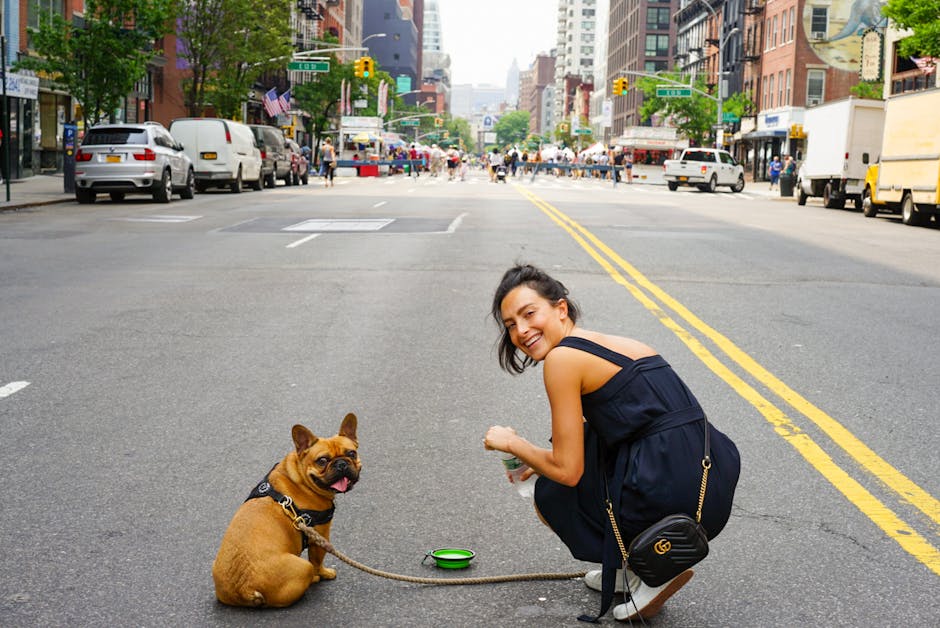
Take the UK as an example. They maintain a list of rabies-controlled countries whose pets can enter under relaxed rules. If your origin country isn't on that list, your pet needs a rabies titer test and a three-month wait before travel. That's a huge timeline difference.
The European Union updates their annexes regularly. In recent years, they've added countries like Azerbaijan and Bosnia and Herzegovina to lists that allow easier entry. Meanwhile, rabies resurgences in certain regions have tightened restrictions elsewhere.
The science behind these classifications is fascinating. Researchers track not just confirmed rabies cases but also vaccination coverage in domestic animals, wildlife surveillance programs, and the presence of specific rabies variants. A country can have zero reported human cases but still be classified as high-risk if wildlife populations carry the virus.
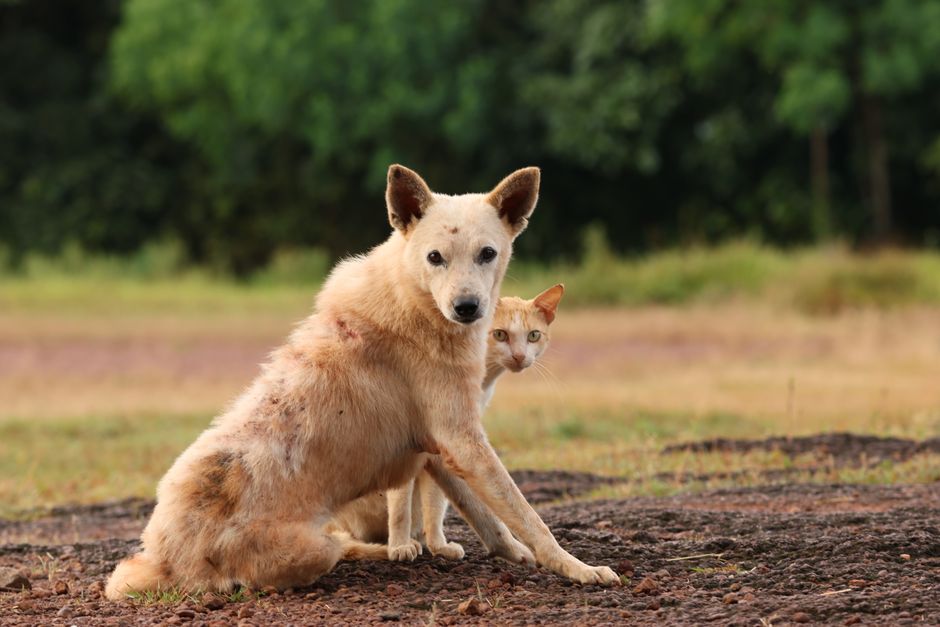
One of the most misunderstood aspects is the difference between canine rabies and bat rabies. Some countries are free of canine-variant rabies but still have bat rabies circulating. The classification systems are getting more nuanced about this distinction.
Here's where it gets tricky for pet owners. These classifications change faster than most people realize. A country's status can shift within months based on new surveillance data or an outbreak. The requirements you researched six months ago might not be current by the time you're ready to travel.
At Avolar Pets, we track these changes in real time because they directly impact our clients' timelines and preparation strategies. A reclassification can mean the difference between a two-month timeline and a six-month timeline.
The implications go beyond just paperwork. Rabies titer testing measures antibody levels in your pet's blood after vaccination. If your destination requires it, your vet draws blood, sends it to an approved lab, and you wait for results showing adequate immunity. Then in many cases, you wait an additional three months from the sample date before travel is allowed.
That waiting period exists because rabies has a variable incubation period. The rules are designed to ensure that if an animal was infected around the time of testing, clinical signs would appear before travel.
The good news is that rabies titers are becoming more standardized globally. More laboratories are achieving approval from regulatory bodies, which means faster turnaround times and sometimes lower costs.
If international travel is in your pet's future, check both your origin and destination country's current rabies classification. Don't assume anything based on previous moves or what you read online months ago. The landscape shifts constantly.
Talk to your veterinarian early about rabies vaccination and titer requirements for your specific route. Starting the process months in advance isn't paranoia. It's just smart planning in a world where classifications can change while you're getting ready to move.