
Specialist Care
Brachycephalic Breed Transport
Flat-faced dogs and cats require specialist handling, careful route planning, and deep knowledge of airline breed restrictions. We move them safely every day.
Important: Many major airlines including American, Delta, and United impose breed-specific embargoes on brachycephalic dogs and cats — regardless of season. Attempting to book without specialist guidance can result in your pet being denied boarding. Always consult us before making any travel arrangements for flat-faced breeds.
Why Flat-Faced Breeds Are Different
Understanding the anatomy behind the restrictions
Compromised Airways
Brachycephalic breeds have shortened skulls that compress the nasal passages, soft palate, and trachea. Under stress — which travel inevitably causes — oxygen intake is significantly reduced.
Overheating Risk
These breeds cannot pant efficiently, which is how dogs and cats cool themselves. In warm cargo holds or during ground delays, the risk of heat stroke escalates rapidly.
Stress Amplification
Travel stress increases respiratory rate. For flat-faced pets, elevated respiratory demand on already-compromised airways is a serious and potentially fatal combination.
Brachycephalic Dog Breeds
French Bulldog
One of the most popular breeds in the world — and one of the most restricted by airlines. Cabin and cargo restrictions apply on most carriers, especially in summer.
English Bulldog
Heavy, low-tolerance for heat and stress. Requires careful route planning and typically restricted on warmer-weather flights.
Pug
Highly susceptible to respiratory distress in heat or during stress. Short muzzle limits airflow significantly under travel conditions.
Boxer
Larger brachycephalic breed with added size/weight challenges. Many airlines embargo Boxers year-round or under temperature thresholds.
Boston Terrier
Smaller and generally more tolerant than English Bulldogs, but still subject to airline breed restrictions on many routes.
Shih Tzu
Small and brachycephalic. Often qualifies for in-cabin travel but temperature and humidity restrictions still apply.
Cavalier King Charles Spaniel
Mild brachycephalic structure. Manageable with careful route selection — we identify the safest options for each individual dog.
Chow Chow
Thick coat compounded with a brachycephalic structure makes heat management critical. Most airlines restrict in summer months.
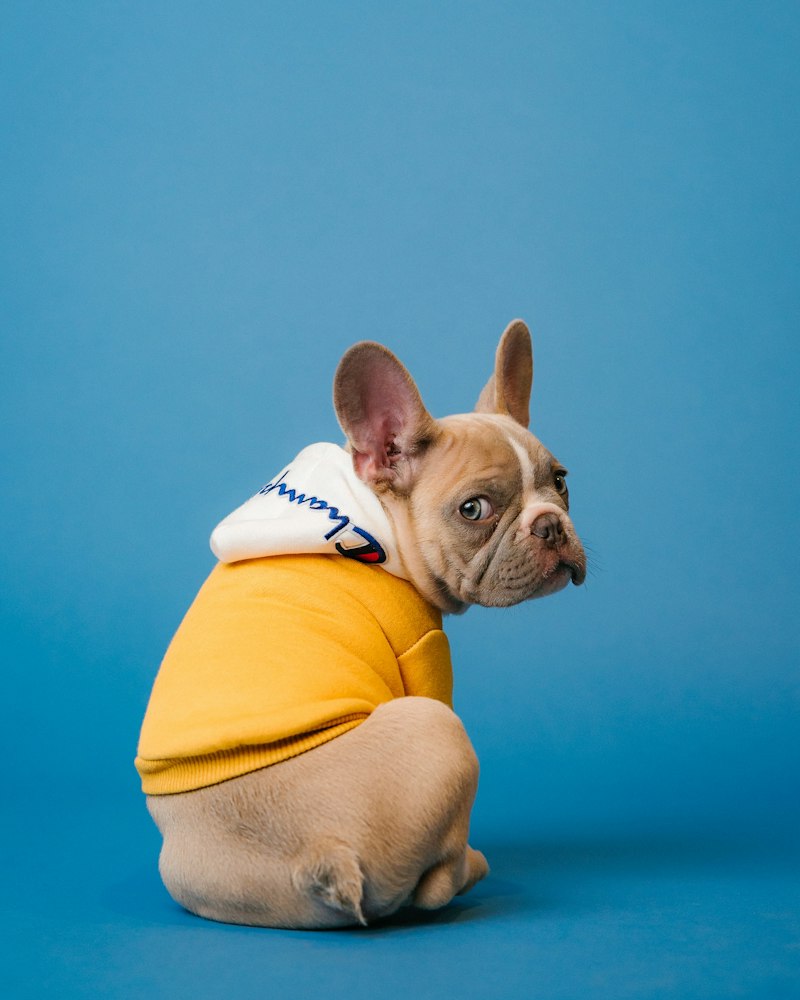

"We've safely relocated hundreds of French Bulldogs, Pugs, and Bulldogs internationally. The key is meticulous planning, the right airline, and the right time of year."
— Avolar Pets Senior Relocation Team

Persian & Exotic Shorthair owners: These breeds are subject to the exact same airline embargoes as brachycephalic dogs. Do not assume cats are treated differently — most carriers apply identical restrictions.
Brachycephalic Cat Breeds
Persian
The most iconic flat-faced cat. Highly susceptible to respiratory stress. Faces the same airline embargoes as brachycephalic dogs.
Exotic Shorthair
The shorthaired Persian cousin. Equally restricted by airlines. Requires the same specialist handling and route planning.
Himalayan
Persian-Siamese cross with a flat face and long coat — a double challenge in warm conditions. Careful planning essential.
British Shorthair
Mildly brachycephalic. Generally better tolerated by airlines than Persians but route and temperature restrictions still apply.
Scottish Fold
Flat face plus folded ears. Some airlines restrict due to the breed's overall respiratory sensitivity during travel.
Burmese
Slightly pushed-in face structure. Less restricted than Persians but still benefits from specialist guidance and careful routing.
How We Keep Flat-Faced Pets Safe
Every step designed with brachycephalic safety in mind
Pre-travel veterinary clearance coordination to confirm fitness to fly
Airline selection based on breed-specific embargoes and known safety records
Route optimization to minimize flight time, connections, and ground delays
Temperature window booking — avoiding extreme heat and cold periods
Oversized, well-ventilated travel crates for maximum airflow
Priority handling — last on, first off the aircraft to minimize tarmac exposure
Weather forecast review on travel day — we postpone if conditions look unsafe
Emergency veterinary contacts established at origin and destination
Handler briefed on early warning signs of respiratory distress
Owner guidance on pre-travel preparation, feeding, and stress reduction
Own a Flat-Faced Breed?
Don't risk your pet's safety by booking direct. Talk to our brachycephalic specialists first — we'll identify the safest route, airline, and time of year for your specific pet.
Ready to Plan Your Pet's Journey?
Every relocation is unique. Get a personalized quote tailored to your pet's size, breed, destination, and travel requirements.