Pet Safety First
Weather-Aware Pet Transport
Before and on travel day, we review current and forecasted temperatures for every city on your pet's route. If conditions look unsafe at any point in the journey, we postpone or reroute — no exceptions, no compromise.
Our commitment: Your pet's safety always takes priority over any schedule, deadline, or cost. If weather conditions at any point in your pet's journey — origin, connection, or destination — are outside safe parameters, we will hold, reroute, or reschedule. No exceptions. No pressure.
Smart Timing: Last On, First Off
Pets are loaded last and unloaded first — whether it's 90°F in Miami or 25°F in Chicago. This minimizes the time your pet spends outdoors during loading and unloading. On travel day, we do our best to stay in contact with the airline and monitor conditions as closely as possible to factor weather into our decisions.
Summer Heat
The most dangerous season for pet transport
The Risks We Manage
Ambient Heat at Airport Cities
We review current and forecasted temperatures for each city on your pet's route before and on travel day. If temperatures are projected to be unsafe, we postpone or reroute.
Heat Stroke
Pets — especially brachycephalic breeds and thick-coated dogs — can develop heat stroke in extreme heat. We will not transport a pet if conditions pose any risk.
Humidity Compounding
High humidity combined with heat reduces a pet's ability to cool through panting. We consider overall conditions, not just air temperature, when making safe-to-fly decisions.
Ground Delay Risk
Unexpected ground delays can expose pets to hot conditions. We pre-screen flight reliability and always have contingency plans for delay scenarios.
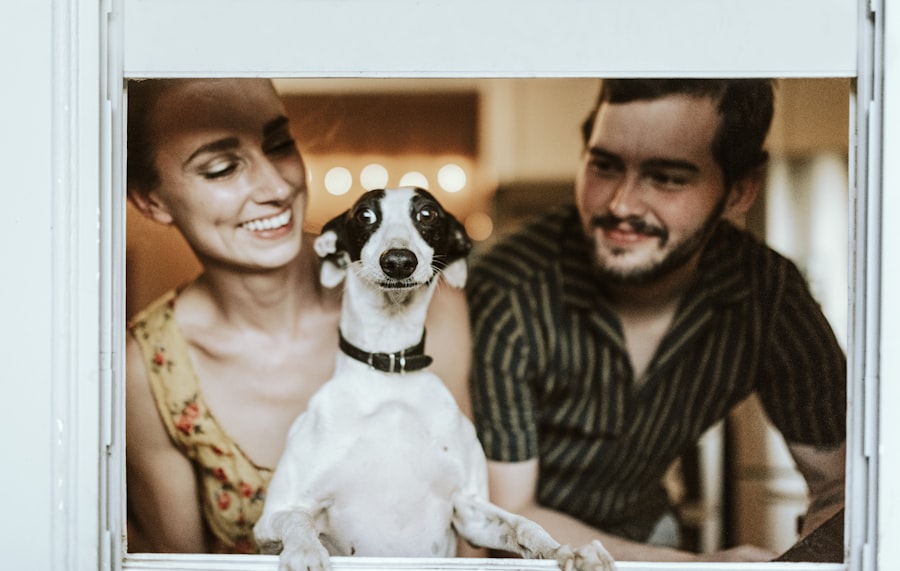
Our Summer Protocols
- Heat embargoes strictly observed — no transport when temps exceed carrier or breed thresholds
- Early morning or evening flight selection to avoid peak-heat ground time
- Ventilated, oversized crates with ice packs or cooling inserts where permitted
- Pre-chilled crate interior before pet is loaded
- Brachycephalic breeds face stricter summer thresholds — we apply them conservatively
- Temperature-sensitive breeds given priority for direct, non-stop routing
Winter Cold
Cold weather requires equally careful management
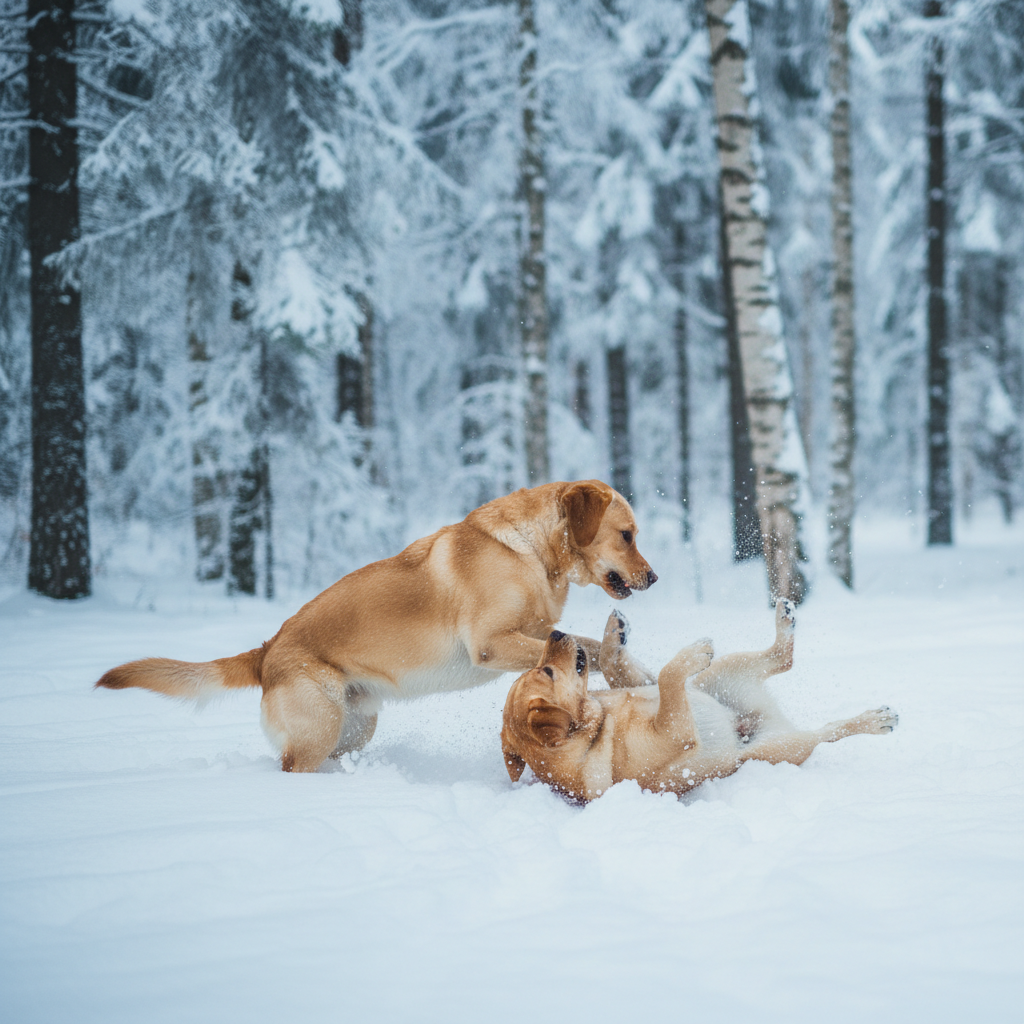
Our Winter Protocols
- Cold embargoes observed — no transport when wind chill or temps fall below breed-safe thresholds
- Insulated crate liners for short-coated and small breeds in cold climates
- Freeze-proof gel water in all winter shipments
- Midday flight selection to maximize ambient warmth during tarmac exposure
- Handler uses insulated crate covers during all outdoor transport transitions
- Elderly and health-compromised pets given additional cold-weather review before approval
The Risks We Manage
Hypothermia Exposure
Short-coated breeds, small pets, and elderly animals are especially vulnerable to cold. Even brief exposure to freezing tarmac conditions can be dangerous for the wrong breed.
Frozen Water
Water bowls attached to crates can freeze in cargo holds or on the tarmac in winter, leaving pets without hydration. We prepare specially formulated gel water that doesn't freeze.
Ice & Handling Hazards
Icy tarmac conditions create slip hazards for handlers and increase crate drop risk. Our team is trained for winter ground handling procedures.
Cold Cargo Holds
While all airline cargo holds are temperature-controlled in-flight, pre-departure ground time in freezing conditions can expose pets to dangerous cold before the climate system activates.
Our Weather Safety Protocols
Applied to every flight, every season
Last on the aircraft, first off — minimizing all outdoor exposure time
Weather forecast review for every city on your pet's route before and on travel day
Climate-controlled vehicle for all road transport legs
We will postpone or reroute a flight if conditions are unsafe — no exceptions
Airline temperature embargo policies reviewed before every booking
Crate sizing ensures proper ventilation and airflow regardless of season
Gel water inserts used in all cargo crates — freeze-resistant in winter, stays cool in summer
All handlers briefed on breed-specific temperature tolerances
We do our best to stay in contact with the airline on travel day to factor weather into decisions
Emergency veterinary contacts established at every port of call
Temperature Thresholds
We apply stricter limits than airlines require — prioritizing your pet's safety above all else
Summer Heat Embargo
Most airlines: ambient temperature ≥ 90°F (32.2°C) at any city on the route
Winter Cold Embargo
Most airlines: ambient ≤ 35°F (1.7°C) for tropical/short-coated breeds; ≤ 20°F (-6.7°C) for cold-adapted breeds
Brachycephalic Summer
We apply stricter internal threshold: ≥ 85°F (29.4°C) ambient — significantly more conservative than airline minimums
Our No-Fly Policy
If forecasts are borderline, we postpone. We will never transport a pet into uncertain conditions to meet a schedule.
Planning a Move? Let's Talk Timing.
Tell us your route and we'll advise on the safest window to travel based on seasonal weather patterns at every airport on your pet's journey.
Ready to Plan Your Pet's Journey?
Every relocation is unique. Get a personalized quote tailored to your pet's size, breed, destination, and travel requirements.